Interview with Dan Moyer, writer of "Just the Facts, Ma'am" a biography of Jack Webb.
Interviewer for "Dyslexic with a Future", Mark Lodge.
Mark Lodge: "I'm very happy to have a good friend of mine here with me, Dan Moyer, who has written a book
entitled "Just the Facts, Ma'am a biography of Jack Webb". I met Dan shortly after I got out of the Service, we both
had an interest in 60's Muscle Cars, that is a story in it's self. I did not know that Dan was Dyslexic, just like me until
recently, here it is, Dan Moyer, and the very first interview".
Mark Lodge: "First of all, how did you find out about being Dyslexic"?
Dan Moyer: "In school, even in high school, I don't think like normal people and I started wondering about it
when I was in a lot of Trigonometry and Calculus Classes. I would take the long way around a problem and get the
same answer, the teacher would show us the ABC way to an answer. That did not make sense to me, but going
the other way did. Then I started noticing when I was reading I'd be saying things backwards and writing thing
backwards, a lot of Y and L correlation. I got a lot of the 10 Things if You are a Dyslexic" things like that and 100%
on all of them."
M.L.: " I can relate, I can't even think of taking a Trigonometry class, let alone say the word properly. I found
out I was Dyslexic sometime around the sixth grade, my Mother had a suspicion about it before then. I have never
seen it as a good thing, until now."
M.L.: "Now, high school experience, you kind of touched on that a bit, do you have anymore to elaborate on
that?"
D.M.: "If yo looked at my grades, my grades were As, Bs, I did pretty good in high school, but on tests, especially
math, I was always the last one done every single time. And I would go back and think "Did I twist these numbers
around?" Sometimes I would catch myself writings numbers backwards. That is why it would take me so long, I
could get the answers, just took me a lot longer to get there."
M.L.: "I do the same thing, especially with twos and threes. I found out later on, in university even though I did
horribles in maths, I sort of liked it in a bizarre sort of way, kind of wish I could learn it, but I don't know, it will not
happen today or tomorrow."
M.L.: "Knowing what you what you know now, do you see being Dyslexic as a curse, a gift, or sort of both?"
D.M.: "It is a different learning style than what most people have, I don't see it as a curse, I see it as a
difference more so than a curse. It's a different way of approaching things. Nine times out of ten when I'm
trying to find out a solution I will automatically come up with a different answer than others, I take the "long
way", I would say "different way" around than what most people do".
M.L.: "I agree with the "different way". I'd rather be Dyslexic than non-dyslexic, but try telling that to a
"normal" person."
M.L.: "Becoming a writer. How did that come about? Now, after the learning the positive aspects of
Dyslexia, I have heard about many Dyslexic writers, but before that I always thought "Dyslexic Writers? that is
not supposed to happen?" But here you are, you have written a biography and had it published. How did that
come about?"
D.M.: "That is sort of a story in it's self. A normal person could have written this in less time, however
they would not have come up with the same type of book I did, because I took a different approach to it."
M.L.: "I remember you going through the process, I don't want to use the word "obsessed" but you were
pretty driven".
D.M.: "You have to throw yourself into what you are doing, you have to put yourself in that situation totally, you
immerse yourself to do it like it needs to be done. Just like an actor would throw himself in the part of that
character".
M.L.: "Looking back, did you enjoy the process? would you do it again?"
D.M.: " I loved it".
M.L.: "That is all that matters in the end".
M.L.: "Has being Dyslexic helped you with writing"?
D.M.: "I hate using stereotypical term like "thinking outside the box" , but I really do think differently than most
people. People think "what are you thinking? getting from point A to point B, that is how I think". For me it's
automatic, I don't try to think that way, that's just the I think. That's why sometimes, I have problems with
computers, because computers were made for the average thinking person, not a Dyslexic person".
M.L.: "Just like university is made for the non-dyslexic person, and high school, and grade school all over the
world".
D.M.: "The World is not Dyslexic friendly".
M.L.: "No it's not, not at all".
M.L.: "About the curse or gift aspect of Dyslexia, I would rather be Dyslexic than not but...the "disability" part is
in the way the World is geared and in the respect I would have to use the word "disability".
M.L. "What do you have for Dyslexics in the future? From what little I've tried to spread the message, and do to
the internet I've heard more Dyslexics be grateful that we do have this "anomaly" in our thinking and I have said it
that I'd rather be Dyslexic than not."
M.L.: "What do you think about the future for us?"
D.M.: "If you go back 25 years, Dyslexia was something that people thought was a really big disability and was
kept hush-hush, now 25 years later it is becoming more commonplace and finding more and more people have this
situation so I hope that in another 25 years it would be come even more commonplace, "oh Dyslexia no big deal
blah blah". Not like it is, and I think it has progressed into the mainstream".
M.L.: "Yeah, let's hope so. What I'm hoping for, with this little project of mine is to have people stumble onto
this site and to at least have one more Dyslexic come to see the positive aspect of this way of thinking and have
them spread the word".
M.L.: "I hope one person reads this interview and sees that they can be a writer also, not mattering if they are
Dyslexic".
D.M.: "Well yeah, also Dyslexia might be more help than hindrance, especially if you are a songwriter, because
you can think of all these things that a normal person can't grasp, look at what John Lennon did".
M.L.: "Exactly, I'm grateful to be Dyslexic"
M.L.: "That is it, that is the first interview, of which I hope to have many more here on this site. I hope that
everyone enjoyed reading it and I hope that it might help someone out, maybe help someone think about their
future".
M.L.: "I'd like to thank Dan for participating and everyone for checking this out".
Thank you
Mark
Interviewer for "Dyslexic with a Future", Mark Lodge.
Mark Lodge: "I'm very happy to have a good friend of mine here with me, Dan Moyer, who has written a book
entitled "Just the Facts, Ma'am a biography of Jack Webb". I met Dan shortly after I got out of the Service, we both
had an interest in 60's Muscle Cars, that is a story in it's self. I did not know that Dan was Dyslexic, just like me until
recently, here it is, Dan Moyer, and the very first interview".
Mark Lodge: "First of all, how did you find out about being Dyslexic"?
Dan Moyer: "In school, even in high school, I don't think like normal people and I started wondering about it
when I was in a lot of Trigonometry and Calculus Classes. I would take the long way around a problem and get the
same answer, the teacher would show us the ABC way to an answer. That did not make sense to me, but going
the other way did. Then I started noticing when I was reading I'd be saying things backwards and writing thing
backwards, a lot of Y and L correlation. I got a lot of the 10 Things if You are a Dyslexic" things like that and 100%
on all of them."
M.L.: " I can relate, I can't even think of taking a Trigonometry class, let alone say the word properly. I found
out I was Dyslexic sometime around the sixth grade, my Mother had a suspicion about it before then. I have never
seen it as a good thing, until now."
M.L.: "Now, high school experience, you kind of touched on that a bit, do you have anymore to elaborate on
that?"
D.M.: "If yo looked at my grades, my grades were As, Bs, I did pretty good in high school, but on tests, especially
math, I was always the last one done every single time. And I would go back and think "Did I twist these numbers
around?" Sometimes I would catch myself writings numbers backwards. That is why it would take me so long, I
could get the answers, just took me a lot longer to get there."
M.L.: "I do the same thing, especially with twos and threes. I found out later on, in university even though I did
horribles in maths, I sort of liked it in a bizarre sort of way, kind of wish I could learn it, but I don't know, it will not
happen today or tomorrow."
M.L.: "Knowing what you what you know now, do you see being Dyslexic as a curse, a gift, or sort of both?"
D.M.: "It is a different learning style than what most people have, I don't see it as a curse, I see it as a
difference more so than a curse. It's a different way of approaching things. Nine times out of ten when I'm
trying to find out a solution I will automatically come up with a different answer than others, I take the "long
way", I would say "different way" around than what most people do".
M.L.: "I agree with the "different way". I'd rather be Dyslexic than non-dyslexic, but try telling that to a
"normal" person."
M.L.: "Becoming a writer. How did that come about? Now, after the learning the positive aspects of
Dyslexia, I have heard about many Dyslexic writers, but before that I always thought "Dyslexic Writers? that is
not supposed to happen?" But here you are, you have written a biography and had it published. How did that
come about?"
D.M.: "That is sort of a story in it's self. A normal person could have written this in less time, however
they would not have come up with the same type of book I did, because I took a different approach to it."
M.L.: "I remember you going through the process, I don't want to use the word "obsessed" but you were
pretty driven".
D.M.: "You have to throw yourself into what you are doing, you have to put yourself in that situation totally, you
immerse yourself to do it like it needs to be done. Just like an actor would throw himself in the part of that
character".
M.L.: "Looking back, did you enjoy the process? would you do it again?"
D.M.: " I loved it".
M.L.: "That is all that matters in the end".
M.L.: "Has being Dyslexic helped you with writing"?
D.M.: "I hate using stereotypical term like "thinking outside the box" , but I really do think differently than most
people. People think "what are you thinking? getting from point A to point B, that is how I think". For me it's
automatic, I don't try to think that way, that's just the I think. That's why sometimes, I have problems with
computers, because computers were made for the average thinking person, not a Dyslexic person".
M.L.: "Just like university is made for the non-dyslexic person, and high school, and grade school all over the
world".
D.M.: "The World is not Dyslexic friendly".
M.L.: "No it's not, not at all".
M.L.: "About the curse or gift aspect of Dyslexia, I would rather be Dyslexic than not but...the "disability" part is
in the way the World is geared and in the respect I would have to use the word "disability".
M.L. "What do you have for Dyslexics in the future? From what little I've tried to spread the message, and do to
the internet I've heard more Dyslexics be grateful that we do have this "anomaly" in our thinking and I have said it
that I'd rather be Dyslexic than not."
M.L.: "What do you think about the future for us?"
D.M.: "If you go back 25 years, Dyslexia was something that people thought was a really big disability and was
kept hush-hush, now 25 years later it is becoming more commonplace and finding more and more people have this
situation so I hope that in another 25 years it would be come even more commonplace, "oh Dyslexia no big deal
blah blah". Not like it is, and I think it has progressed into the mainstream".
M.L.: "Yeah, let's hope so. What I'm hoping for, with this little project of mine is to have people stumble onto
this site and to at least have one more Dyslexic come to see the positive aspect of this way of thinking and have
them spread the word".
M.L.: "I hope one person reads this interview and sees that they can be a writer also, not mattering if they are
Dyslexic".
D.M.: "Well yeah, also Dyslexia might be more help than hindrance, especially if you are a songwriter, because
you can think of all these things that a normal person can't grasp, look at what John Lennon did".
M.L.: "Exactly, I'm grateful to be Dyslexic"
M.L.: "That is it, that is the first interview, of which I hope to have many more here on this site. I hope that
everyone enjoyed reading it and I hope that it might help someone out, maybe help someone think about their
future".
M.L.: "I'd like to thank Dan for participating and everyone for checking this out".
Thank you
Mark
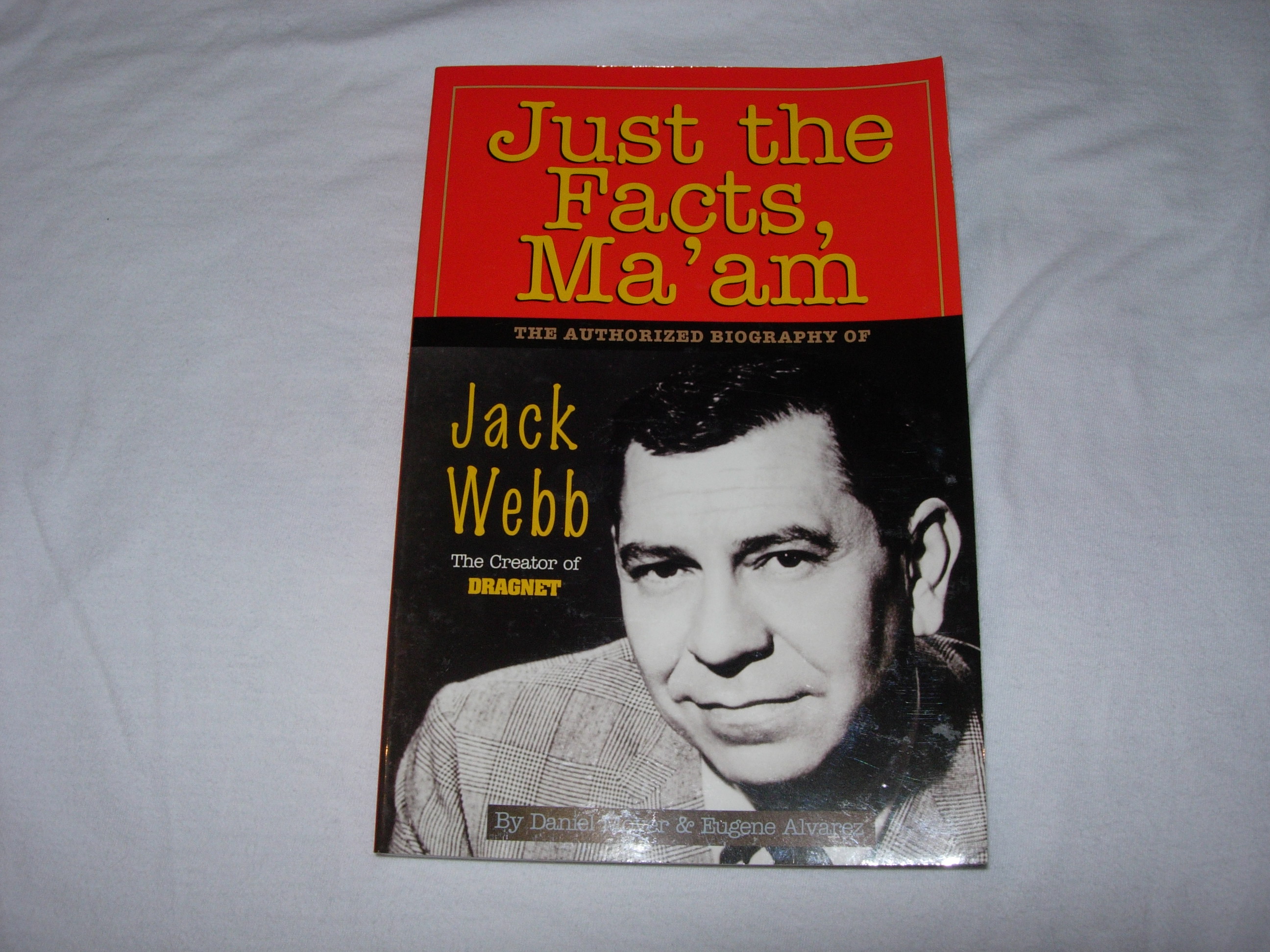
Here is a photo of Dan's creation, image used with permission.
